Get Garden Deweeding
Garden deweeding services help property owners remove unwanted weeds and invasive plants from lawns, flower beds, and landscapes, improving appearance and garden health.
Garden deweeding services are an essential part of maintaining a healthy and attractive outdoor space. Property owners in the area often consider professional deweeding to prevent invasive plants from taking over, reduce garden maintenance time, and promote the growth of desirable plants. Whether preparing for a seasonal change or addressing ongoing weed issues, exploring local contractor options can help ensure the work is handled efficiently and effectively.
By comparing different service providers, property owners can find the right solutions for their garden’s specific needs. Local contractors who specialize in deweeding can offer tailored advice and professional assistance to keep outdoor spaces well-kept and thriving. Continuing to read can provide valuable insights into how professional deweeding services might fit into a broader property maintenance plan.
- Garden Deweeding - when invasive weeds are overtaking flower beds or vegetable gardens.
- Pathway and Driveway Weeding - to remove weeds that disrupt the appearance and safety of paved surfaces.
- Lawn Weeding - when unwanted plants are competing with grass for nutrients and space.
- Landscape Bed Weeding - to maintain tidy and healthy planting areas around trees and shrubs.
- Fence Line Weeding - to prevent weeds from encroaching on property boundaries and hardscape features.

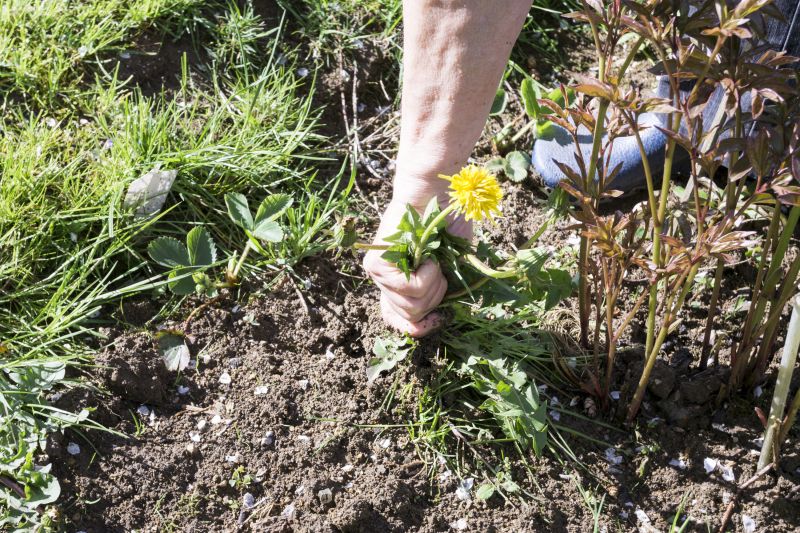
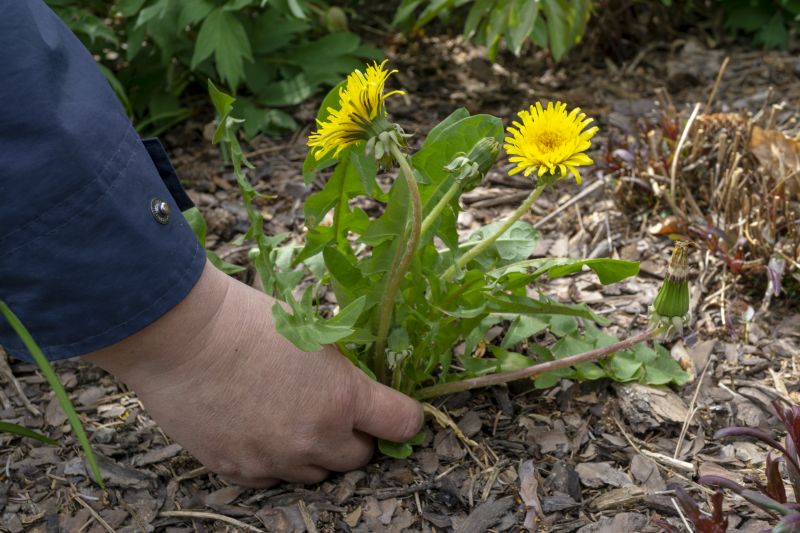
Garden deweeding services involve the removal of unwanted weeds that invade lawns, flower beds, vegetable gardens, and other landscaped areas. These services typically include identifying invasive or overgrown weeds, pulling or digging them out, and applying targeted treatments to prevent regrowth. The goal is to restore the health and appearance of the garden by eliminating plants that compete with desired vegetation for nutrients, water, and sunlight. Professional contractors use various tools and techniques to ensure thorough weed removal, helping to maintain a clean, attractive outdoor space.
Weed problems can lead to several issues for homeowners. Overgrown weeds can quickly take over garden beds, choking out flowers, shrubs, and vegetables. They can also create an untidy appearance and make outdoor spaces less enjoyable. In some cases, invasive weeds may spread rapidly, causing long-term damage to garden ecosystems. Regular deweeding helps prevent these problems by controlling weed growth early, reducing the need for more extensive intervention later on. It’s especially beneficial for those who want to keep their gardens looking neat and healthy without spending excessive time on manual removal.
This service is commonly used by homeowners with various types of properties, including residential yards, community gardens, and small farms. Properties with extensive lawns or flower beds often benefit from routine deweeding to maintain their aesthetic appeal. Gardeners and property owners who grow vegetables or herbs also rely on deweeding to protect their crops from invasive plants. Whether managing a suburban backyard or a larger estate, local contractors can provide tailored solutions to keep outdoor spaces free of unwanted weeds, enhancing both appearance and plant health.
Homeowners typically seek garden deweeding services when weeds become a persistent problem that manual removal alone can’t control effectively. It’s also a suitable option for those preparing for outdoor events or seasonal planting, ensuring the garden looks its best. Regular maintenance can help prevent weeds from taking over, saving time and effort in the long run. By connecting with experienced local service providers, property owners can find the right solution to manage weeds efficiently and keep their gardens vibrant and well-maintained.
The overview below groups typical Garden Deweeding projects into broad ranges so you can see how smaller, mid-sized, and larger jobs often compare in your area.
In many markets, a large share of routine jobs stays in the lower and middle ranges, while only a smaller percentage of projects moves into the highest bands when the work is more complex or site conditions are harder than average.
Basic Deweeding - typical costs range from $250-$600 for many smaller or routine deweeding jobs. Most projects fall within this middle range, covering standard garden beds and lawn areas. Fewer jobs extend into the higher or lower ends of the spectrum.
Large or Complex Projects - larger, more involved deweeding jobs, such as extensive garden renovations or overgrown landscapes, can reach $1,000-$2,500 or more. These projects usually require significant time and effort from local contractors.
Recurring Maintenance - regular deweeding services, scheduled monthly or quarterly, typically cost between $100-$300 per visit. Many homeowners opt for ongoing plans within this range to maintain garden health and appearance.
Full Garden Deweeding or Overhaul - comprehensive deweeding and landscape clearing can range from $3,000 to $10,000+ depending on size and complexity. Such projects are less common and tend to be at the higher end of the cost spectrum.
Actual totals will depend on details like access to the work area, the scope of the project, and the materials selected, so use these as general starting points rather than exact figures.
Garden Bed Clearing - professionals who remove overgrown plants and debris from garden beds, requiring similar planning and tools used in deweeding.
Landscape Maintenance - local contractors who perform regular garden upkeep, including weed control and plant management, paralleling deweeding services.
Weed Control Treatments - service providers who apply herbicides or natural solutions to manage weeds, sharing techniques with deweeding projects.
Soil Preparation and Restoration - experts who prepare garden soil by removing weeds and unwanted plants to promote healthy growth, similar in scope to deweeding tasks.
Pathway and Driveway Clearing - specialists who clear weeds and overgrowth from walkways and driveways, utilizing tools and planning akin to garden deweeding.
Plant Removal and Transplanting - local pros experienced in removing unwanted plants and transplanting them, involving similar skills in plant management and planning.
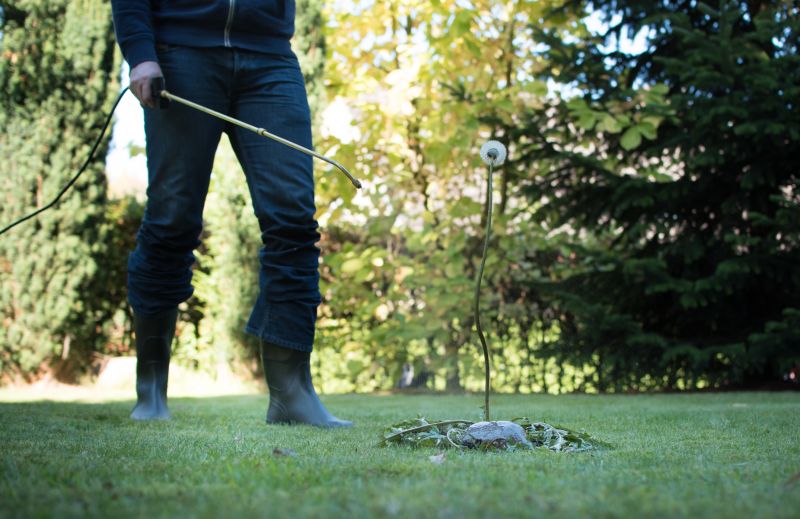
When comparing garden deweeding services, it’s important to consider the experience of local contractors with similar projects. Homeowners should look for service providers who have a proven track record of handling garden deweeding tasks comparable in size and complexity to their own. Asking about the types of gardens or landscapes they’ve worked on can provide insight into their familiarity with different plant types, soil conditions, and weed management techniques. A contractor’s experience can help ensure that the work is performed efficiently and effectively, reducing the likelihood of issues arising later.
Clear, written expectations are essential when choosing a garden deweeding service. Homeowners should seek providers who can offer detailed descriptions of the work scope, including the methods used, the areas to be covered, and any preparations needed beforehand. Having this information in writing helps prevent misunderstandings and ensures that both parties are aligned on what will be done. It also provides a reference point for evaluating the quality of work once the project is complete, making it easier to determine if the service met the agreed-upon standards.
Reputable references and good communication are key factors in selecting a dependable service provider. Homeowners can ask for references from previous clients to gain insight into their experiences and satisfaction levels. Additionally, a professional contractor should be responsive and clear in their communication, providing timely answers to questions and updates on the project. This openness fosters trust and makes it easier to address any concerns that may arise during the deweeding process. It’s important to remember that the site serves as a resource for connecting homeowners with local options, not as the entity performing the work itself.
Property owners use Garden Deweeding services for practical projects around their homes and businesses. This guide focuses on everyday jobs and straightforward project options.
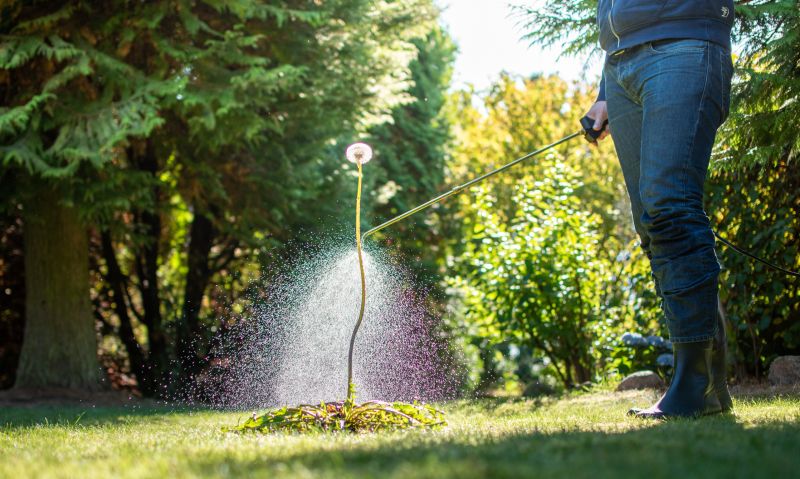
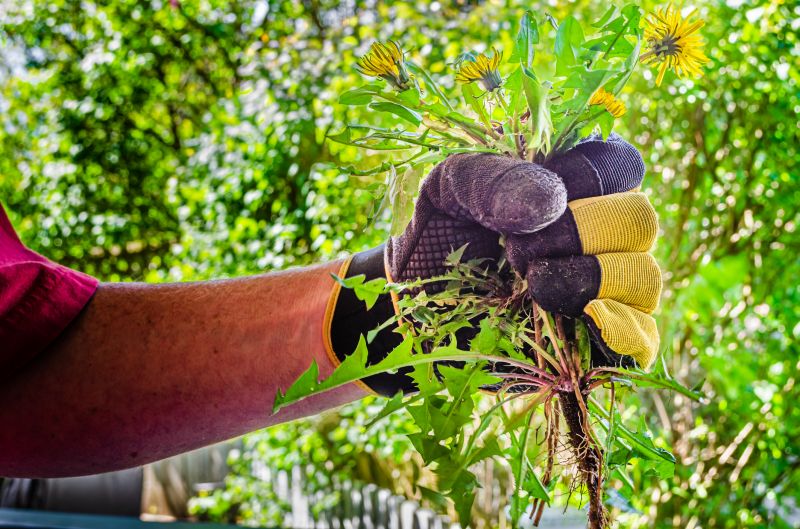
Garden deweeding services are often sought by property owners dealing with overgrown or unruly garden beds. Whether weeds have taken over after a busy season or invasive plants are threatening to spread further, local contractors can help restore the appearance and health of outdoor spaces. These services are useful for maintaining a tidy, attractive yard and preventing weeds from competing with desirable plants for nutrients and sunlight.
Homeowners may also look for deweeding assistance when preparing their gardens for seasonal changes, such as spring planting or fall cleanup. Regular weed removal can help keep gardens manageable and prevent pests that thrive in neglected areas. Local service providers offer the expertise to handle these common, everyday garden projects efficiently, helping property owners keep their outdoor spaces well-maintained.
What is garden deweeding? Garden deweeding involves removing unwanted weeds from lawns, flower beds, and vegetable gardens to promote healthy plant growth and improve the appearance of outdoor spaces.
Why should I hire a professional for deweeding? Local contractors have experience and tools to efficiently identify and remove weeds, helping to prevent damage to desirable plants and ensuring a thorough job.
What types of weeds can local service providers handle? They can manage a variety of weeds, including invasive species, stubborn perennial weeds, and surface weeds in different garden settings.
How do professionals typically approach garden deweeding? They usually assess the garden, identify weed types, and use manual or mechanical methods to remove weeds while minimizing disruption to existing plants.
Can deweeding improve the overall health of my garden? Yes, removing weeds can reduce competition for nutrients and water, leading to healthier, more vigorous plants and a more attractive garden space.
Seasonal Garden Cleanup - Prepare your yard for spring or fall by removing weeds and debris to keep your garden looking tidy.
Weed Control for Flower Beds - Keep flower beds free of invasive weeds to protect your plants and maintain a neat appearance.
Pathway and Lawn Deweeding - Clear weeds from walkways and lawn areas to enhance safety and curb appeal around your property.
Preventative Weed Management - Implement ongoing weed removal strategies to reduce future growth and keep your garden well-maintained.
If you are thinking about Garden Deweeding for a property, this guide is meant to help you understand the work, the typical project types, and how different options might fit your plans.
When you are ready, you can use the quote form on this page to share a few details about your project. From there, local pros can review the basics and respond with options that match what you have in mind.